Dirty Nails: Neglect or Evidence of Hard Work?
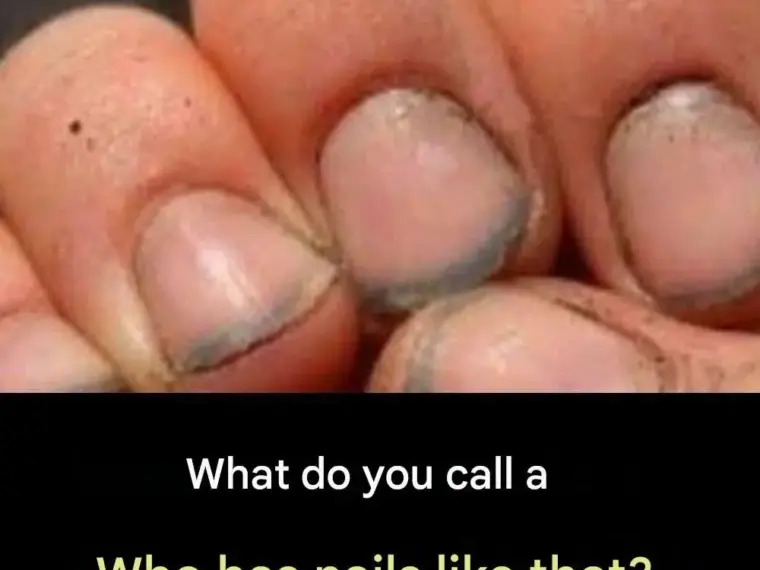
The photo shows a hand with nails darkened by dirt, and their edges covered in grime. The question that usually arises is simple and telling:
“What do you call someone with nails like that?”
It seems like an easy question. But the answer says more about the observer than the person being observed.
First Reaction: Hygiene
At first glance, dirty nails are often associated with poor hygiene. From childhood, we learn that clean hands are important. Germs hide under fingernails. Bacteria spread easily through touch. Washing your hands and properly trimming your nails are basic habits that protect personal and public health.
In many situations, persistently dirty nails can indicate neglect, especially if someone has access to water, soap, and time but doesn’t take care of themselves. Cleanliness is important. It promotes health, self-confidence, and social respect.
But that’s only part of the story.
The Other Side: Honest Work
Let’s consider another possibility.
These nails could belong to:
A mechanic who just finished repairing an engine.
A gardener who spent hours digging soil.
A construction worker mixing concrete.
A farmer harvesting crops.
A painter, plumber, electrician, or welder.
In many forms of physical labor, dirt isn’t a defect but a consequence of productivity. Some jobs leave stains on the skin. Some materials stick to nails, no matter how hard you scrub. Sometimes, visible dirt is simply a mark left by someone who built, repaired, planted, or created.
In such cases, dirty nails aren’t a sign of carelessness, but of effort.
Context changes everything.
The same physical detail (darker nails) can have completely different meanings depending on the context.
At a formal dinner with no signs of labor? Could it indicate poor hygiene.
After a long day at a construction site? It’s likely a reflection of dedication. A volunteer cleaning up after a flood? That’s a sign of service.
A father who just fixed a broken fence? That’s a sign of responsibility.
Without context, judgment becomes mere speculation.
The Deepest Question
So what do you call a person with nails like that?
There’s no single, honest label.
You can call them:
Worker
Construction
Delivery
Someone who just finished a hard day
Or, in some cases, someone needs to change their hygiene habits.
But you can’t decide which one it was without knowing their history.
And that’s the point.
What we choose to see
Sometimes society quickly equates visible “mess” with lower status or laziness. However, many of the cleanest people in the office have never built anything tangible. And many of the dirtiest people have fed families, built houses, repaired roads, and grown food.
Dirt washes away.
Sign no.

Conclusion
Cleanliness matters. Hygiene protects health and demonstrates respect for yourself and others. Washing your hands regularly and caring for your nails are basic habits.
But respect for others is even more important.
Before you judge someone based on what’s under their fingernails, stop for a moment and ask:
Do you see neglect or hard work?
Sometimes what looks dirty is simply evidence of effort.
And sometimes the purest thing you can do is refrain from judgment.